
Distributed energy · edge gateway
Open EMS
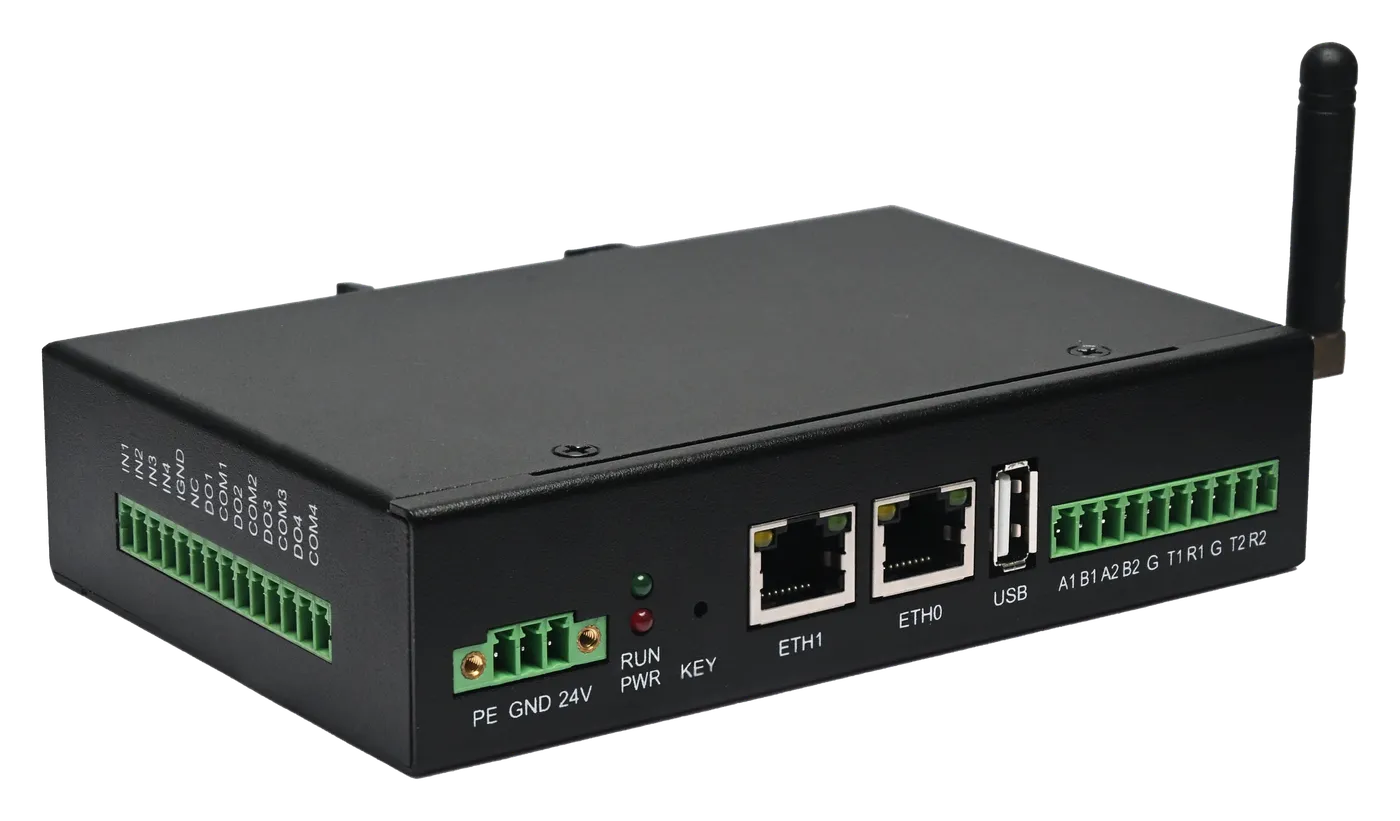
AI-driven optimisation of batteries, charging stations, solar installations and heat pumps, with a strategy you define.
Any brand of device connects.

Core capabilities
Device integration, strategy execution and delivery, all on this gateway.
-
Power market and VPP ready
Prepared for FCR / mFCR ancillary services, with a pluggable aggregator interface.
-
Commissioned in 5 minutes
Power up, connect to the network, add devices — it is running.
-
White-label ready
OEM/ODM partnership: delivered without our branding, with the interface and copy in yours; scope agreed per project.
-
Runs 24/7, keeps a month locally
Runs continuously and retains about a month of history on site.
-
AI scheduling
Improves on the automatic policy to further optimise charging and load.
-
AI-assisted device onboarding
About an hour to bring a new device model online.
Brands we connect to
The field devices on site cover the brands below. Per-model validation status is in the compatibility list.













One gateway, many kinds of site
Local policy runs per site, independently of the others.
-

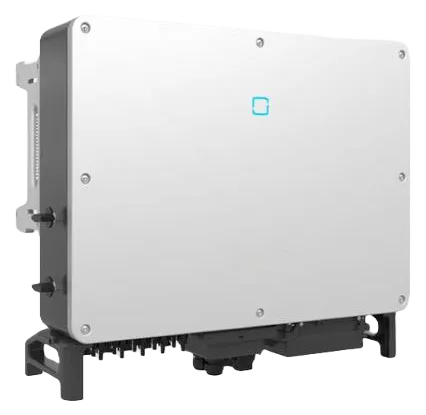
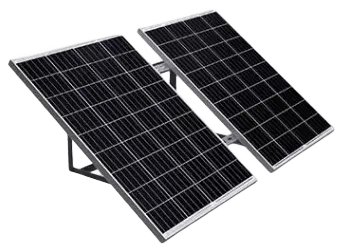
PV grid-tie
Inverter output and yield are collected on the gateway itself, so live data stays on site.
-
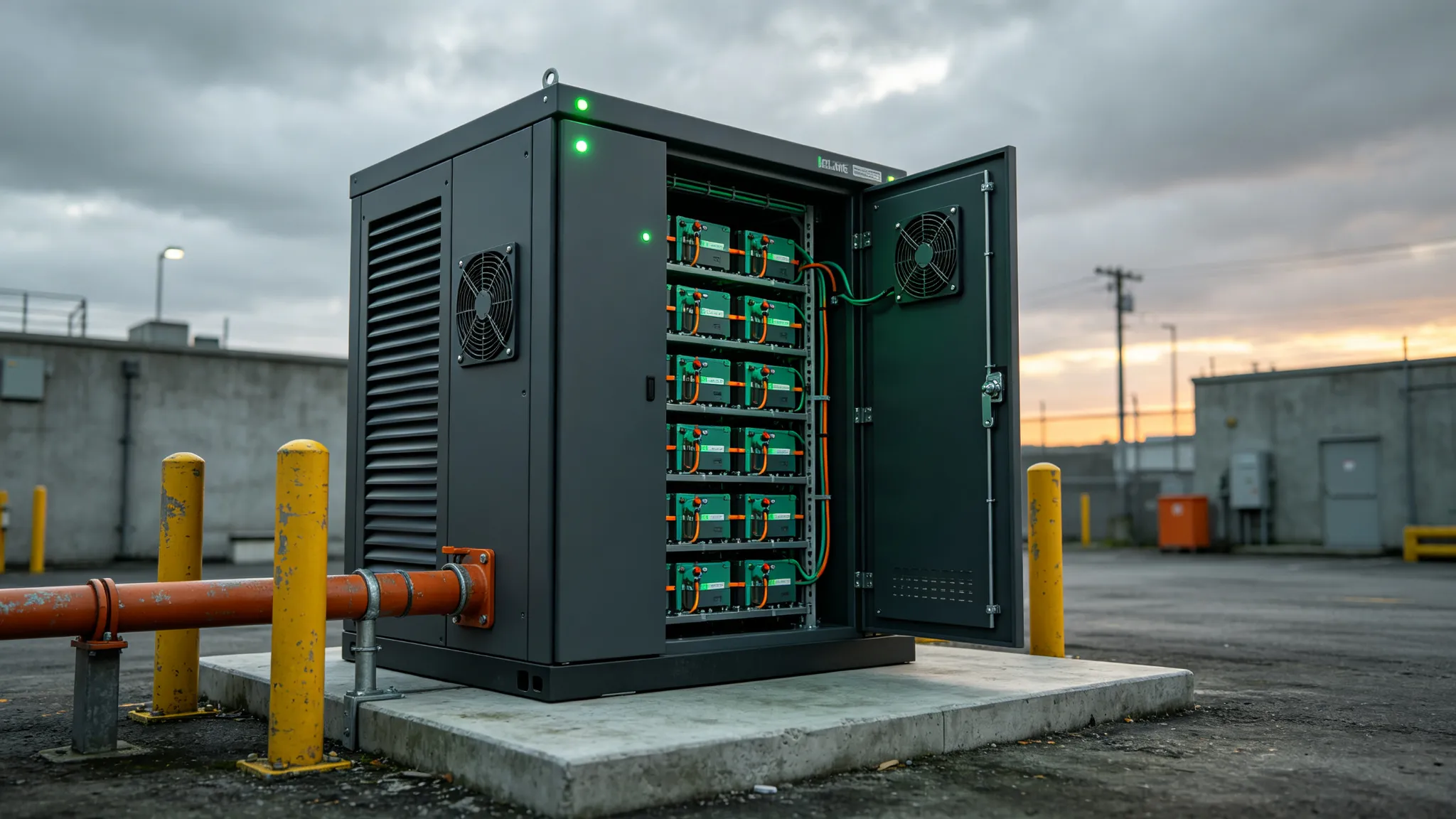
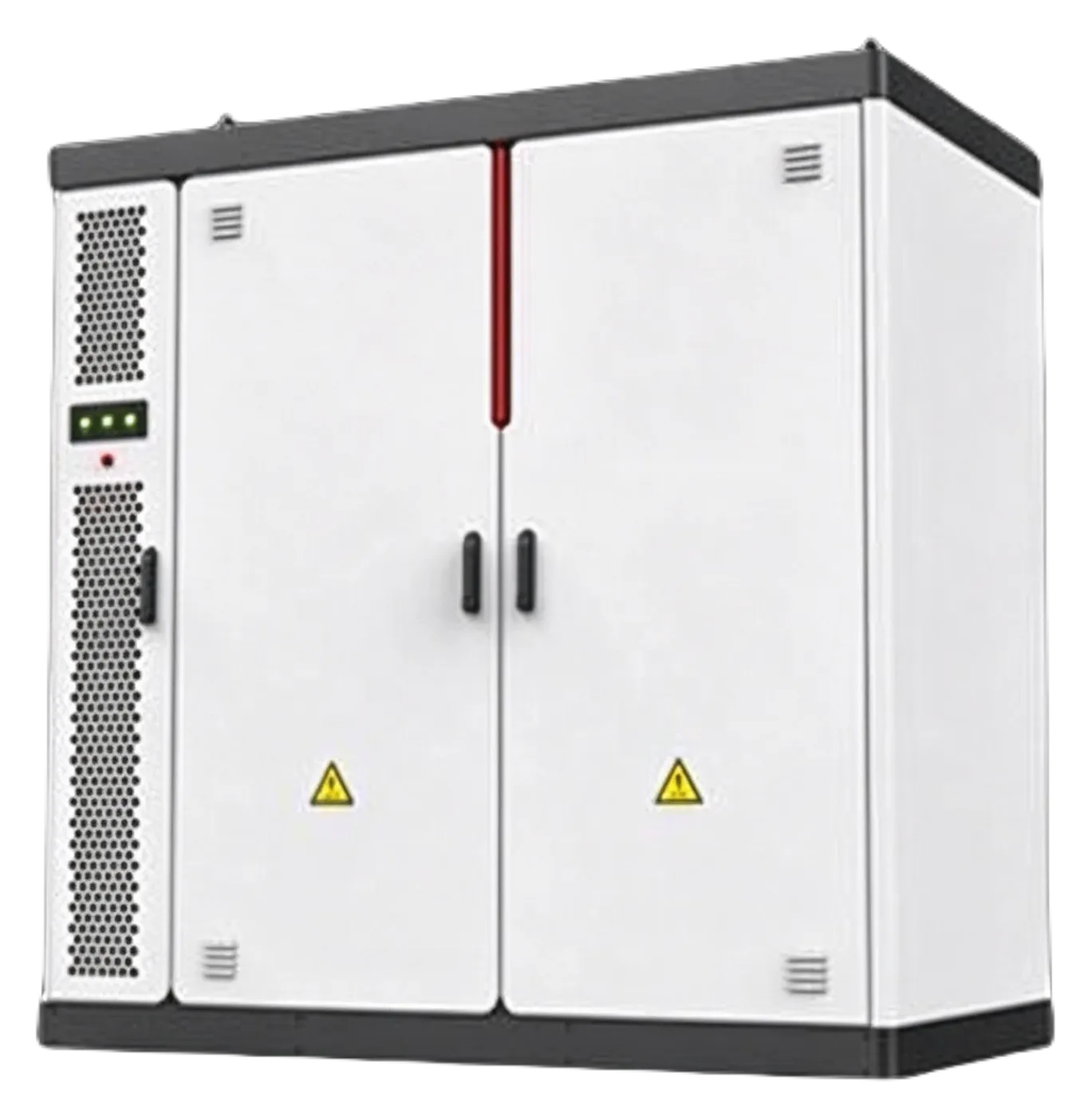
Battery storage
Charge and discharge windows are decided by a local policy and track PV output in real time.
-
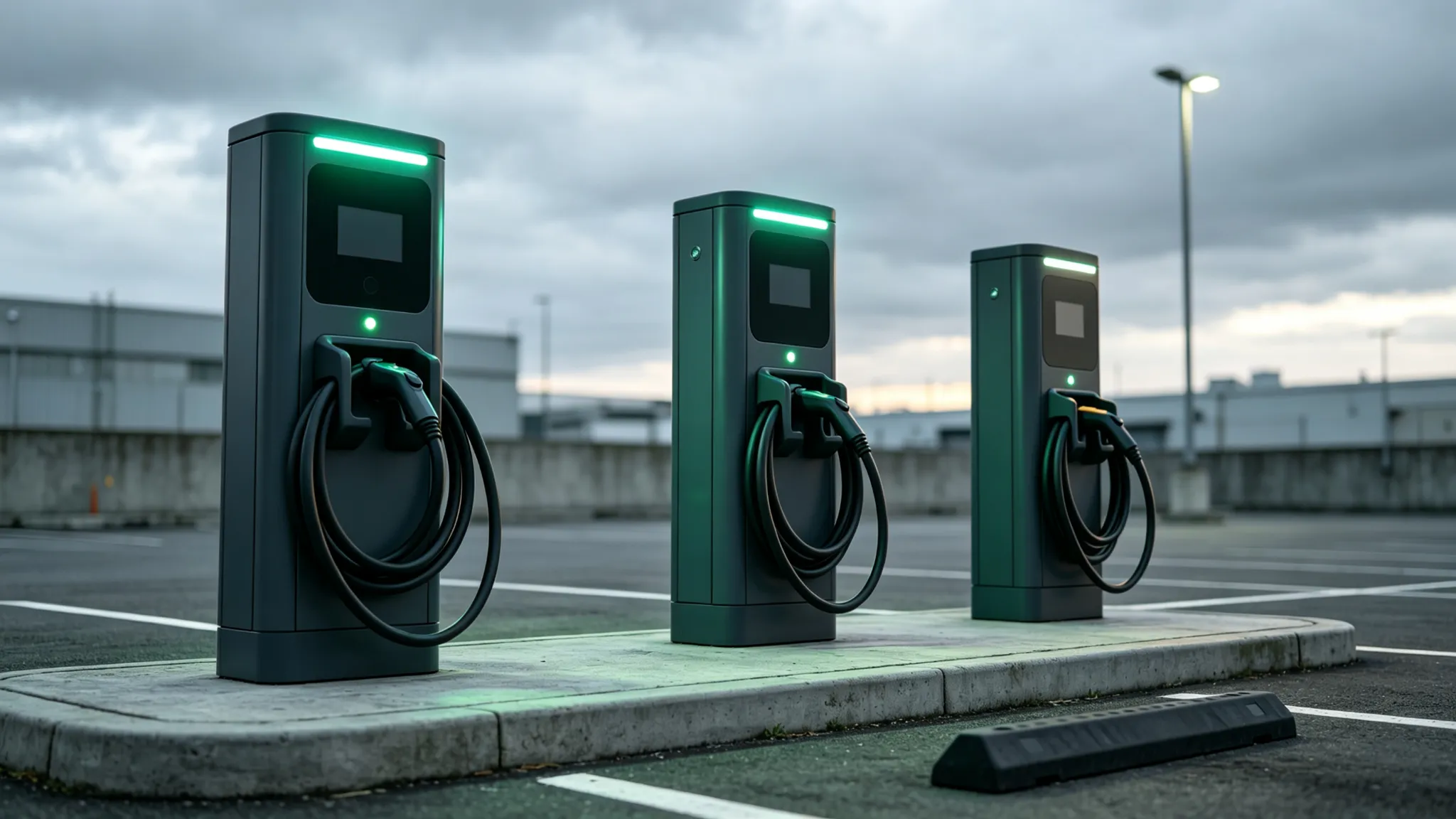
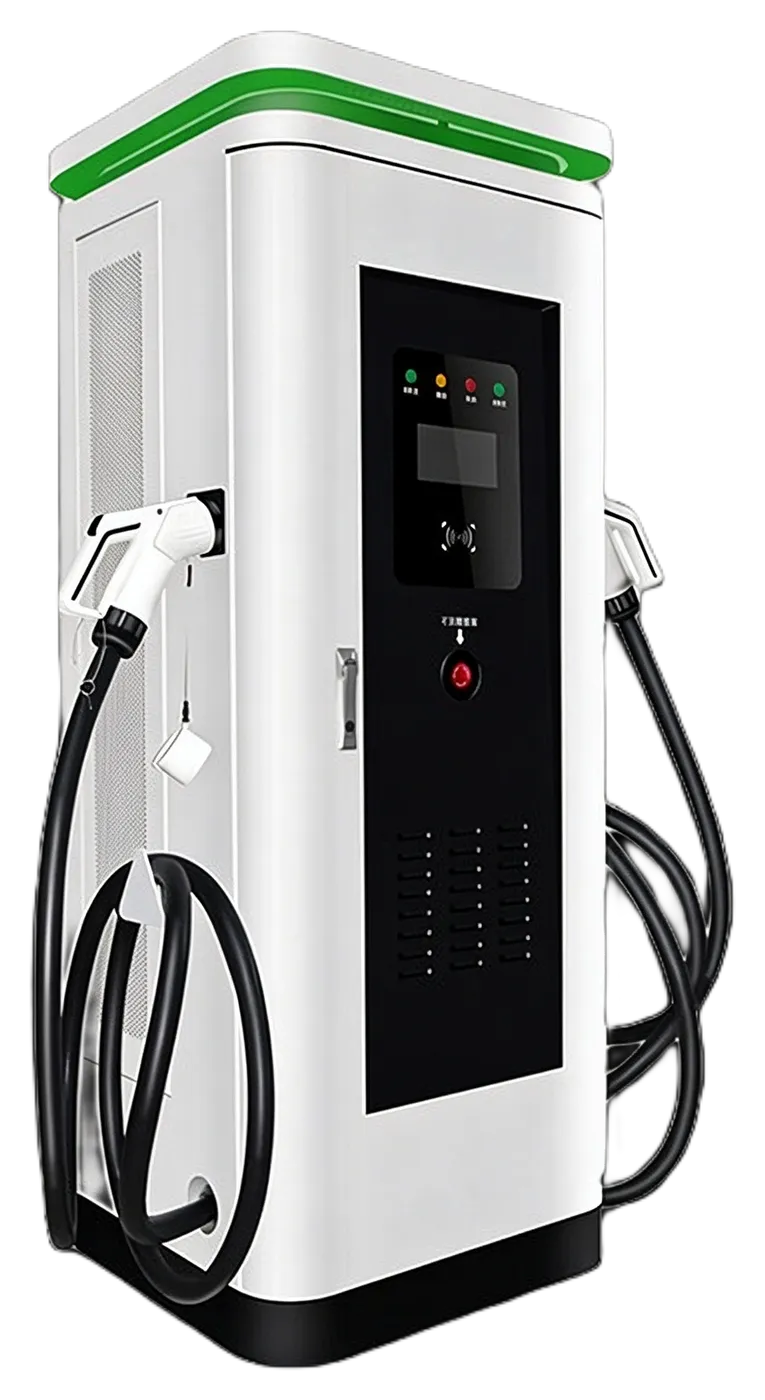
EV charging
Coordinated with site load so charging lands in a better window.
-

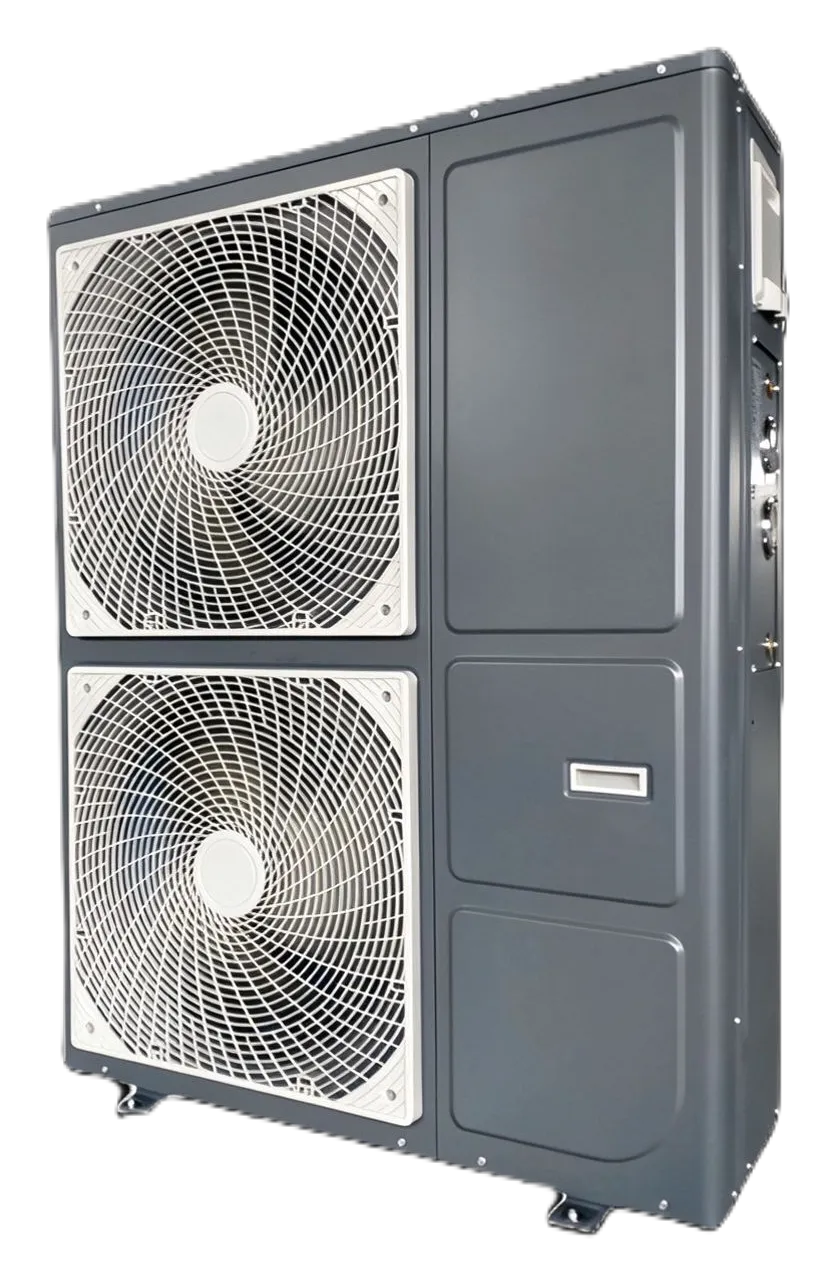
Heat pumps
Brought under the same local policy and scheduled against time-of-use tariffs.
-
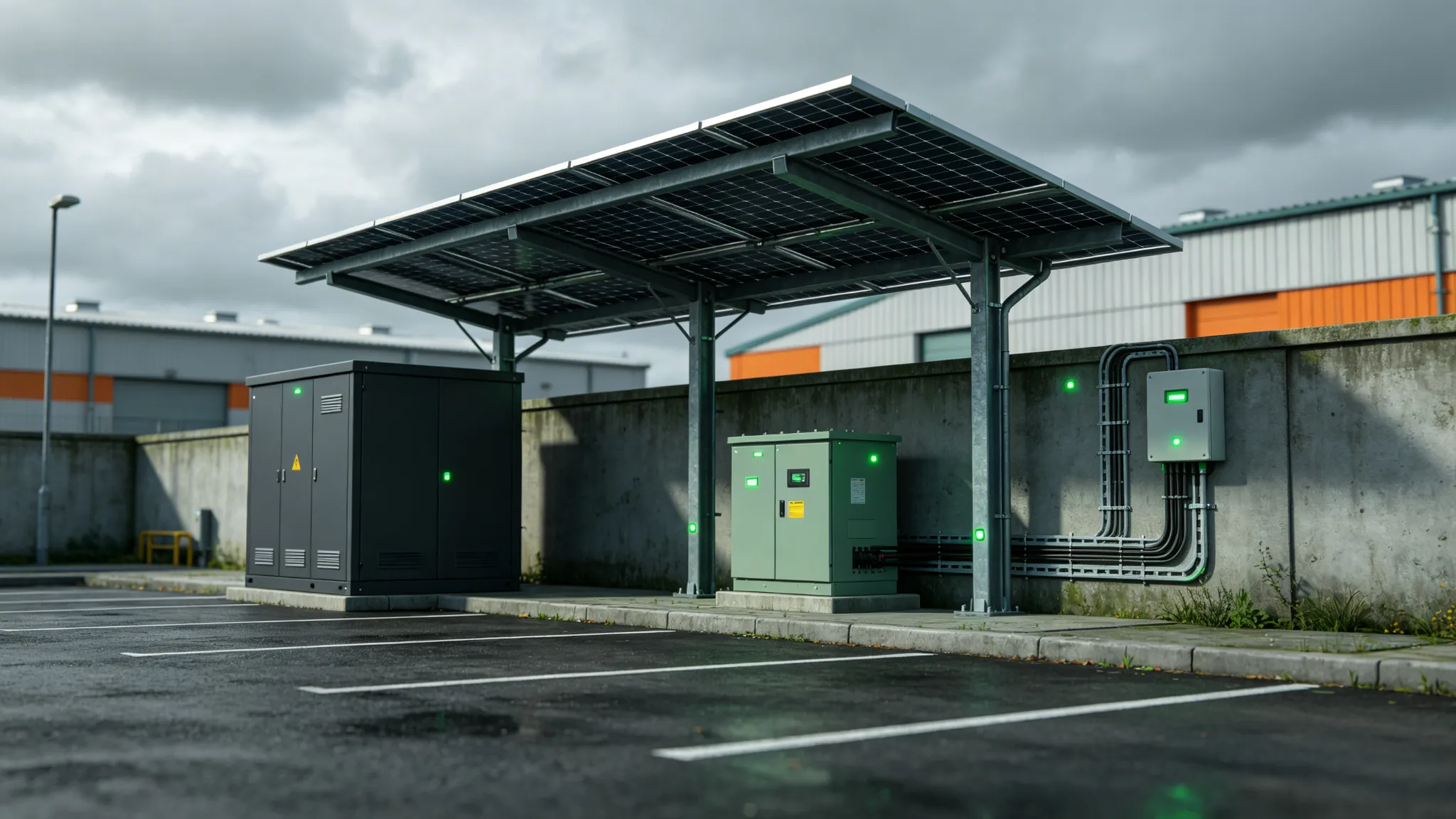
Microgrid
Multiple device types coordinated on one policy; a single site runs without any cloud.
A full interface, on site
Live status and policy configuration all sit in the on-site interface, independent of any cloud platform.
-
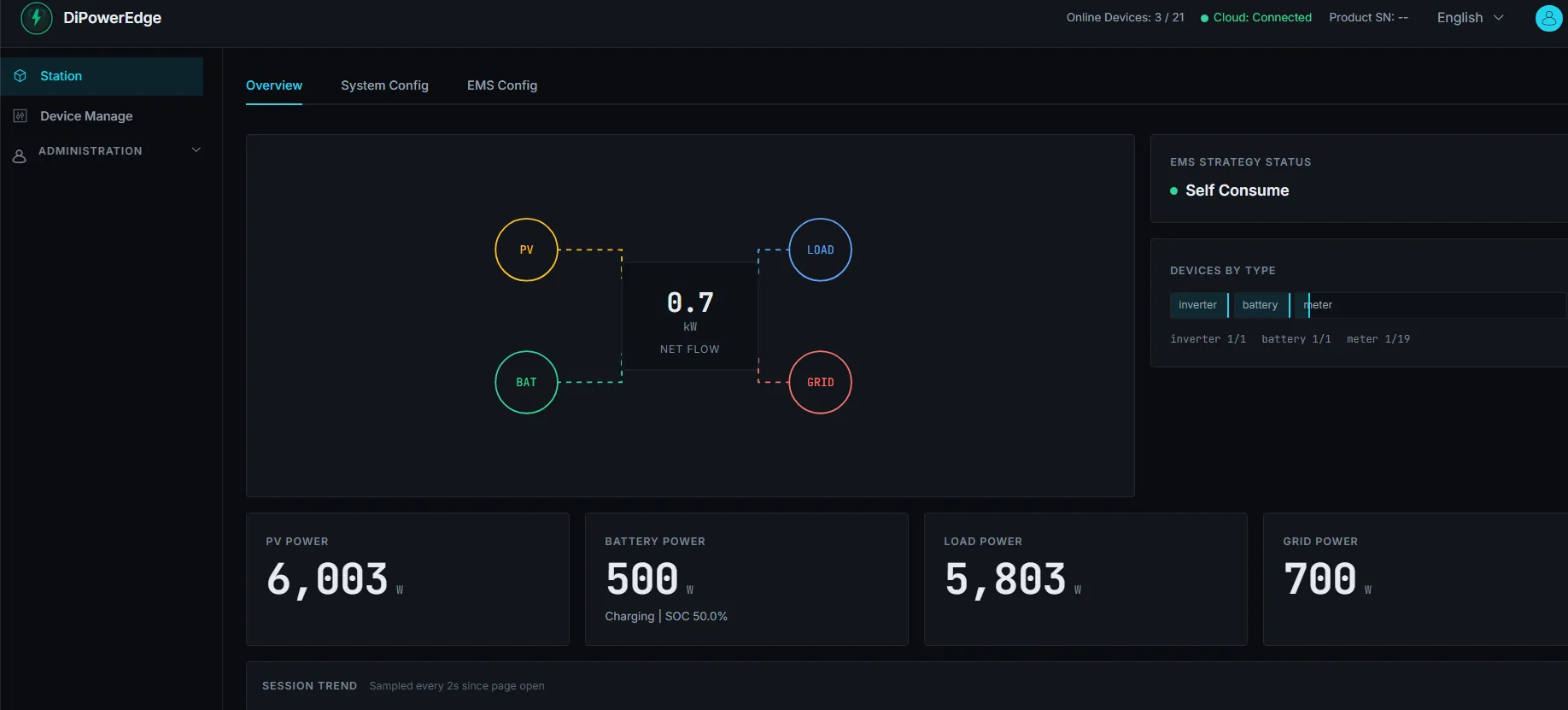
Live overview
Energy flow, four live power readings and strategy status are all on the local web page, which opens even without a network connection.
-
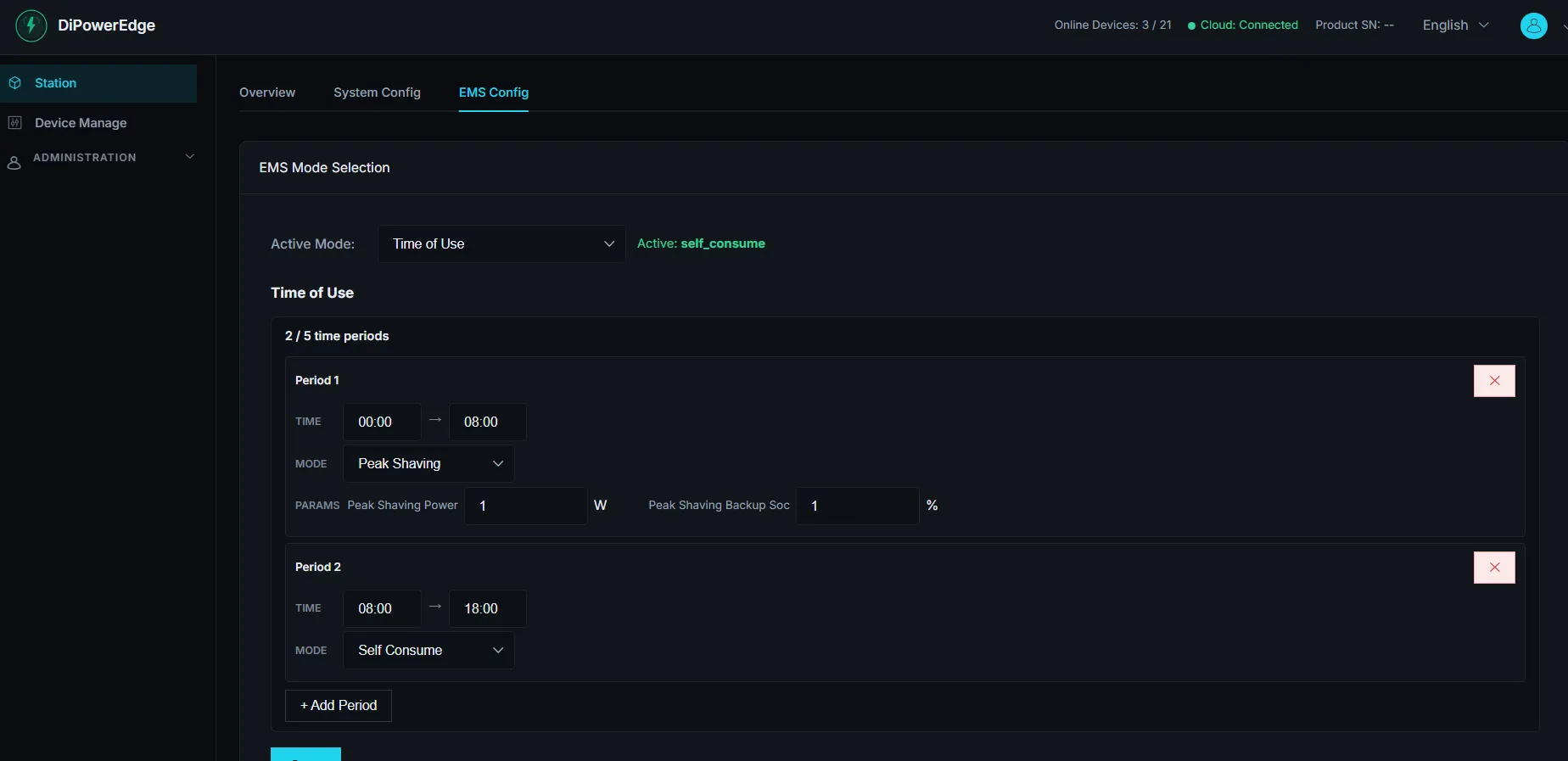
Policy configuration
Time-of-use windows and peak-shaving parameters are set on the local page, not pushed down from a cloud.
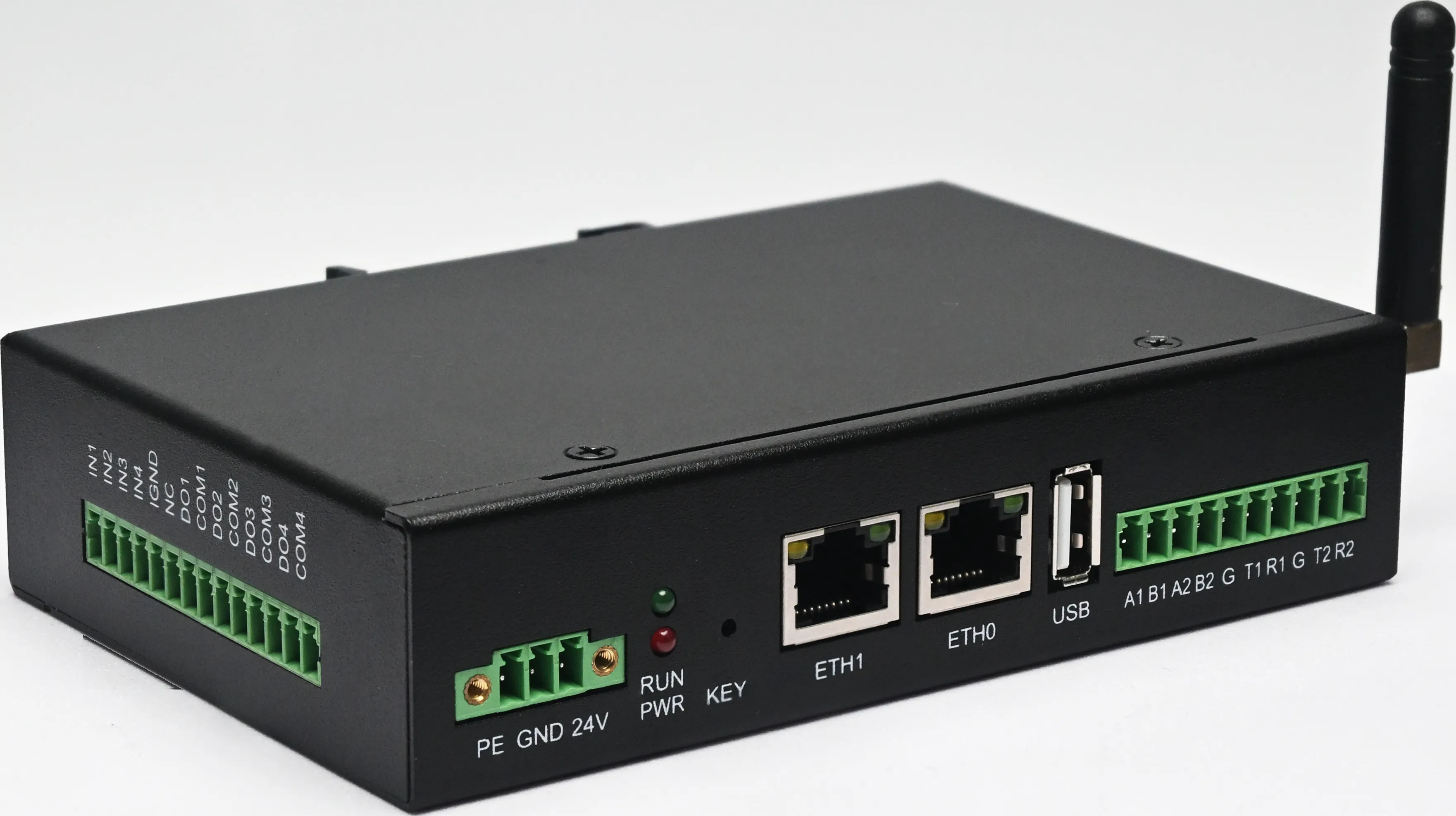
How the data flows
Southbound is a local loop; only northbound is optional.
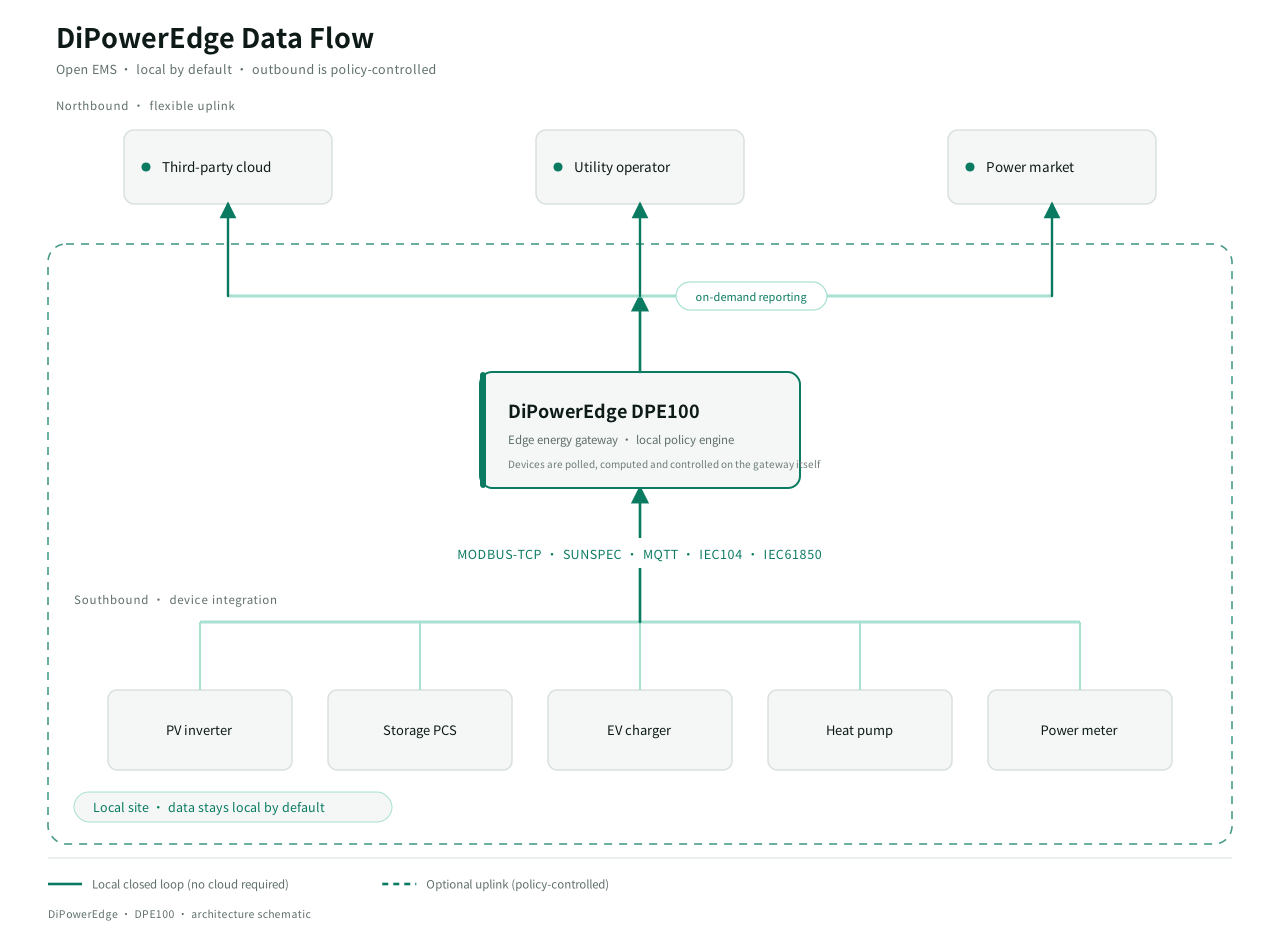
Specs you can check
- Outbound protocols
- 5 MODBUS · SUNSPEC · MQTT · IEC 104 · IEC 61850
- Control latency
- ms -level Real-time control closes on the device itself; no cloud round trip
- Serial ports
- 4 4 × RS485
- Where data lives by default
- Local Uplinks are optional and controlled by your policy
We do not quote installation counts, customer numbers, or any other scale figure we cannot substantiate.
Protocols and device compatibility
Every model is listed with a source you can check, and the list is open to additions.
Outbound protocols
- Modbus
- SunSpec
- MQTT
- IEC 60870-5-104
- IEC 61850
Field devices
-
PV inverters
8 models
- Huawei
- Sungrow
- SMA
- Fronius
- Solis
-
Storage
6 models
- Huawei Digital Power
- Sungrow
- Deye
- GoodWe
- SolaX
-
EV chargers
5 models
- ABB
- Siemens
- Schneider Electric
- Delta
- Huawei
-
Heat pumps
5 models
- Viessmann
- Vaillant
- Gree
- NIBE
- Daikin
-
Power meters
5 models
- Schneider Electric
- ABB
- Landis+Gyr
- Wasion
- Linyang
Pending test All 29 models, under per-model validation.
The data models actually available on a given device must be confirmed per model by test.
View the device compatibility listWhat "open" means here
Your cloud, your data and your revenue were always meant to be yours.
-
Runs independently on site
The gateway runs in full on its own. Local policies act in real time, so the site stays under control even when the network drops.
-
Vendor-neutral
We sit outside every energy equipment vendor, so dispatch advice stays neutral.
-
Data stays on site
Data lives locally by default. Whether it leaves, what leaves, and who receives it are all decisions your policy makes.
-
Fast integration of any device
New device types arrive as self-contained device packs, so adding a brand never means rewriting the system around it.
-
Fast extension of any business logic
Rule-engine packs extend what the gateway does, and rules stay independent of one another, so changing one leaves the rest untouched.
-
Fast VPP onboarding
Virtual power plant integration is plugin-based, so connecting to aggregators and power markets leaves the core alone.
Maximising revenue
Going from self-consumption to trading in power markets can be done in stages.
-
Lower initial investment
Start from the smallest configuration that works and put budget where it actually earns.
-
Scale in stages
Add devices as the business grows, so the investment curve follows the revenue curve.
-
Standalone site operation
Standalone operation is the default; centralised multi-site management is an option.
-
AI-assisted dispatch revenue
The on-site policy engine adjusts dispatch to real conditions locally.
-
Independent return analysis
Returns are assessed independently, uninfluenced by any equipment vendor's position.
Let's get the details right first
We are a small team. You will usually hear back within one business day.